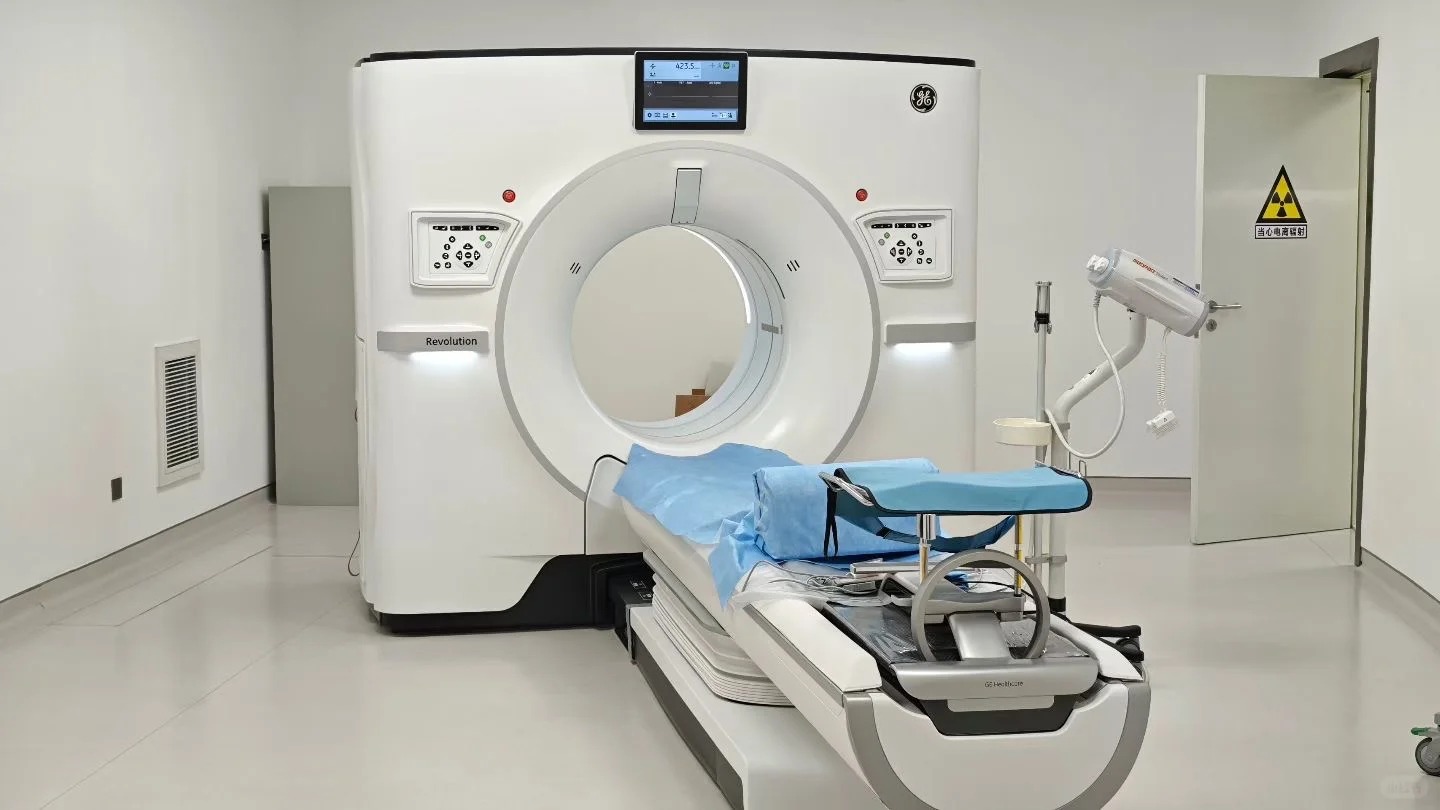
Few lines in a health-check report cause as much anxiety as the words "small lung nodule". Most people who read them have no symptoms at all, and their first reaction is to wonder whether the finding means cancer. Three questions come up almost every time: why are these nodules being found so much more often, does finding one mean an operation, and can they be prevented?
November is Lung Cancer Awareness Month. To help patients and families work through these questions with a specialist, Beijing Arion Cancer Hospital is holding a free online lung cancer consultation on Sunday, 22 November 2026. The session is a one-to-one video conversation, so participants can talk through their own reports and concerns from home.
Why Are Small Lung Nodules Being Detected More Often?
The main reason is that more people are having chest imaging, and the imaging itself is more sensitive. Low-dose CT is now used far more widely in health checks and in lung cancer screening, and modern scanners produce much thinner slices than earlier equipment. Findings that would once have been invisible are now routinely described in a radiology report. Wider access to screening and more detailed reporting standards add to the same effect: more nodules are recorded, in more people, at a smaller size.
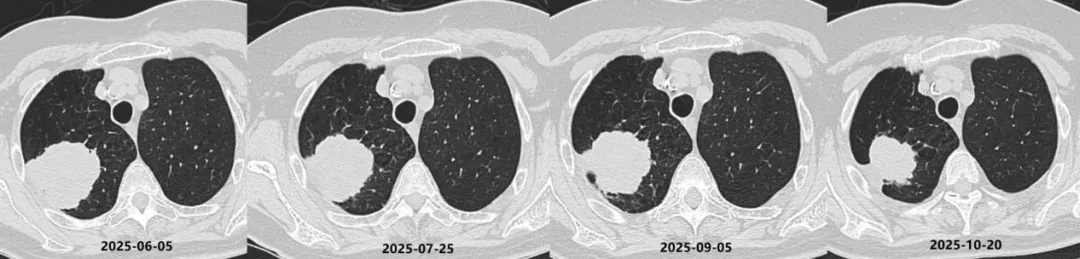
This does not mean that lung disease itself has suddenly become more common. A reported nodule is a finding that needs interpretation, not a diagnosis. Size, density, shape, margins and whether the appearance changes over time all matter, and only a specialist reviewing the actual images can put them in context.
Does a Nodule Mean Surgery?
Usually it does not. Many small nodules remain stable for years and require nothing beyond observation, while others need a scheduled follow-up scan or further investigation. Whether any intervention is appropriate depends on the imaging features and on the individual's age, smoking history, family history and previous illnesses. A decision about surgery is never made from a single line in a report, and any follow-up interval should be set by the physician who has reviewed the images.
The practical advice is to keep the original images and the written report together, and to bring both to a consultation. Comparing a scan with an earlier one is often more informative than a single examination.
Can Small Lung Nodules Be Prevented?
There is no guaranteed way to prevent a nodule from appearing, because some arise from past infection, inflammation or scarring. What patients can influence is the risk of lung cancer and the chance of finding a problem late: avoiding tobacco smoke, reducing occupational exposure to dust and fumes where possible, and following the screening or follow-up schedule recommended for their risk group. Anyone with a new or changing nodule should raise it with a qualified physician rather than self-managing it.
Lung Cancer Awareness Month: Free Online Consultation
The session is designed for patients who have been told they have a small lung nodule, for people with a lung cancer screening result they do not understand, and for family members who want to understand the next step. Participants are encouraged to prepare their imaging and pathology reports in advance and to write down their questions before the call.
- Date: Sunday, 22 November 2026, 10:00–11:00 (Beijing time).
- Format: one-to-one online video consultation with a specialist.
- Cost: free of charge, as a public-service session.
- Places: limited to ten patients or families, allocated in order of registration.
- How to prepare: have your CT images, written reports and any previous scans to hand, together with a short list of questions.
Registration and appointment details are available from the MedTourChina international patient team using the contact information below. The consultation is educational in purpose and does not replace an in-person examination.
How to Contact Us
For questions about this article, about a consultation, or about arranging care in Beijing, please contact the MedTourChina international patient team by email at info@healthtourchina.net or on WhatsApp at +86 17742026990.
Medical Disclaimer
This article is provided for general information and education only. It does not constitute medical advice, diagnosis, or a treatment recommendation, and it is not a substitute for consultation with a qualified physician. Any decision about imaging, follow-up intervals or surgery must be made by a qualified specialist who has reviewed the actual images and the patient's full history.