Editor's Note
A brain tumor diagnosis naturally brings many questions. Patients often worry about the risks of surgery, the possibility of incomplete removal, and the impact on movement, vision, or memory. These are reasonable concerns — and understanding the full range of treatment options is the first step toward an informed conversation with a care team.
This article explains one such option — precision radiotherapy — in plain language. It is intended as general health education, not as a recommendation for any individual. Whether a given treatment is appropriate always depends on a person's specific diagnosis and should be decided together with a qualified physician.
Radiotherapy: One Approach to Primary Brain Tumors
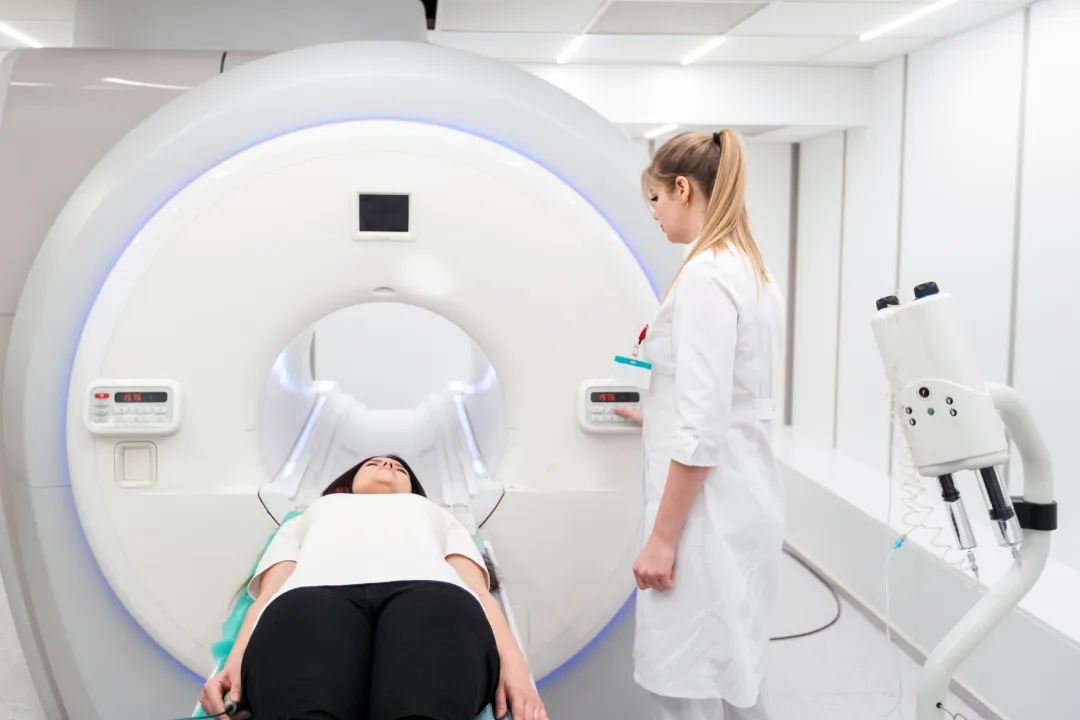
Radiotherapy uses focused, high-energy radiation beams to target tumor tissue inside the skull. By damaging the DNA of rapidly dividing tumor cells, it can help shrink lesions and slow tumor activity.
For primary brain tumors, radiotherapy can play several roles. It may be used for small or hard-to-reach lesions where surgery carries high risk; it can help relieve pressure on surrounding brain tissue and nerves, easing symptoms such as headaches, dizziness, or limb weakness; and it is often part of a broader, combined treatment plan rather than a standalone solution.
Patients frequently ask about side effects. Like any treatment, radiotherapy can cause temporary reactions — for example, scalp irritation, fatigue, or mild, short-lived brain swelling. These are usually manageable and reversible with supportive care, and they do not necessarily mean lasting harm. Still, the balance of benefits and risks is individual and must be assessed by a treating clinician.
Who May Be Considered for Brain Radiotherapy?
Radiotherapy follows well-established clinical guidelines. In general, candidacy is evaluated case by case, based on factors such as tumor type, location, size, extent of spread, and the patient's overall health. Common situations where it is considered include:
Examples of situations often considered
- Certain types of gliomas, meningiomas, or medulloblastomas.
- Tumors located deep in the brain or next to critical areas (such as the brainstem or optic nerves), where complete surgical removal is difficult.
- Residual tumor after surgery, where additional treatment may help reduce the chance of recurrence.
- Patients who cannot tolerate surgery due to age or other medical conditions but need local control of the tumor.
Examples of situations where radiotherapy is generally avoided
- Severe liver or kidney impairment, multi-organ failure, or very poor overall tolerance.
- Uncontrolled serious intracranial infection or active intracranial bleeding.
- Persistent severe bone-marrow suppression where blood counts fall below safe thresholds.
These lists are illustrative and not exhaustive. They are provided to help readers understand how decisions are generally framed — not to self-diagnose.
How Radiotherapy Fits Across the Treatment Timeline
Radiotherapy is not a single fixed protocol; its timing matters. Depending on tumor type, size, extent of involvement, and recovery after any surgery, clinicians choose the intervention point that best fits the individual situation — aiming to avoid both premature and delayed treatment.
After surgery (a common setting)
Following removal of gliomas or medulloblastomas, standardized postoperative radiotherapy may help address residual cells and reduce recurrence. For incompletely removed meningiomas, it can help keep the tumor stable over time.
Curative or symptom-relief purposes
For some lower-grade tumors in difficult locations, precise radiotherapy may achieve long-term stable disease. For tumors causing significant symptoms — strong headaches, vomiting — radiotherapy can help reduce tumor burden and swelling, relieving discomfort.
The Value of Multidisciplinary Collaboration
Brain tumor radiotherapy demands high precision: even small deviations can affect the protection of healthy neural tissue. For this reason, complex cases are typically reviewed through a multidisciplinary team (MDT) — bringing together radiation oncologists, medical physicists, therapy technologists, and nursing specialists. Together they handle positioning, target delineation, individualized planning, accurate dose delivery, and follow-up.
For challenging cases — large meningiomas, high-grade gliomas, or pediatric medulloblastomas — specialists from different disciplines jointly assess the lesion, plan treatment fields, and adjust doses to spare critical structures such as the brainstem and optic nerves. This team-based model is a standard of care in experienced centers and reflects how modern brain tumor radiotherapy is organized.
Medical Disclaimer
This article is provided for general medical education and public health information only. It does not constitute medical advice, diagnosis, or treatment recommendations. Every patient's situation is different; treatment decisions should always be made with a qualified physician based on individual clinical circumstances. If you have health concerns, please consult a licensed healthcare professional.